Birthday parties are event photography compressed into two hours, in bad light, with subjects who move unpredictably and one moment that cannot be missed. The cake is that moment. Everything else in this post exists to make sure you are in position, focused, and exposed correctly when the candles come out.
Get the timeline before the day
Ask the host for three times: when guests arrive, when food happens, and when the cake comes out. Then ask who is bringing the cake and from which direction.
That last question sounds excessive and it is the difference between being in position and finding out from the singing. Cakes arrive from kitchens, through doorways, in the dark, with someone's back to you.
Agree your finish time in advance too. Parties do not end, they dissolve, and a photographer who stays until the last balloon deflates is working for free.
The settings for a dim room and fast children
Indoor parties are usually the worst light you will shoot in: mixed bulbs, no windows open, and children moving quickly.
- Shutter speed 1/250s minimum. Children are faster than you think, and motion blur is the main reason party photos fail.
- f/2 to f/2.8 on a fast prime. A 35mm is the right lens for most rooms.
- Auto ISO with an upper limit around 6400, and accept the noise. A sharp noisy frame beats a clean blurred one, and modern denoise handles the rest, which is one of the genuinely useful AI tools.
- Bounce flash off the ceiling if it is white and low, which fixes the colour and the shutter speed at once. Angle it slightly behind you rather than straight up.
- Continuous autofocus with face detection.
Set white balance manually if the room is one consistent colour. If it is mixed, shoot raw and fix it once for the whole set.
The shot list
Work through this and you have covered a party:
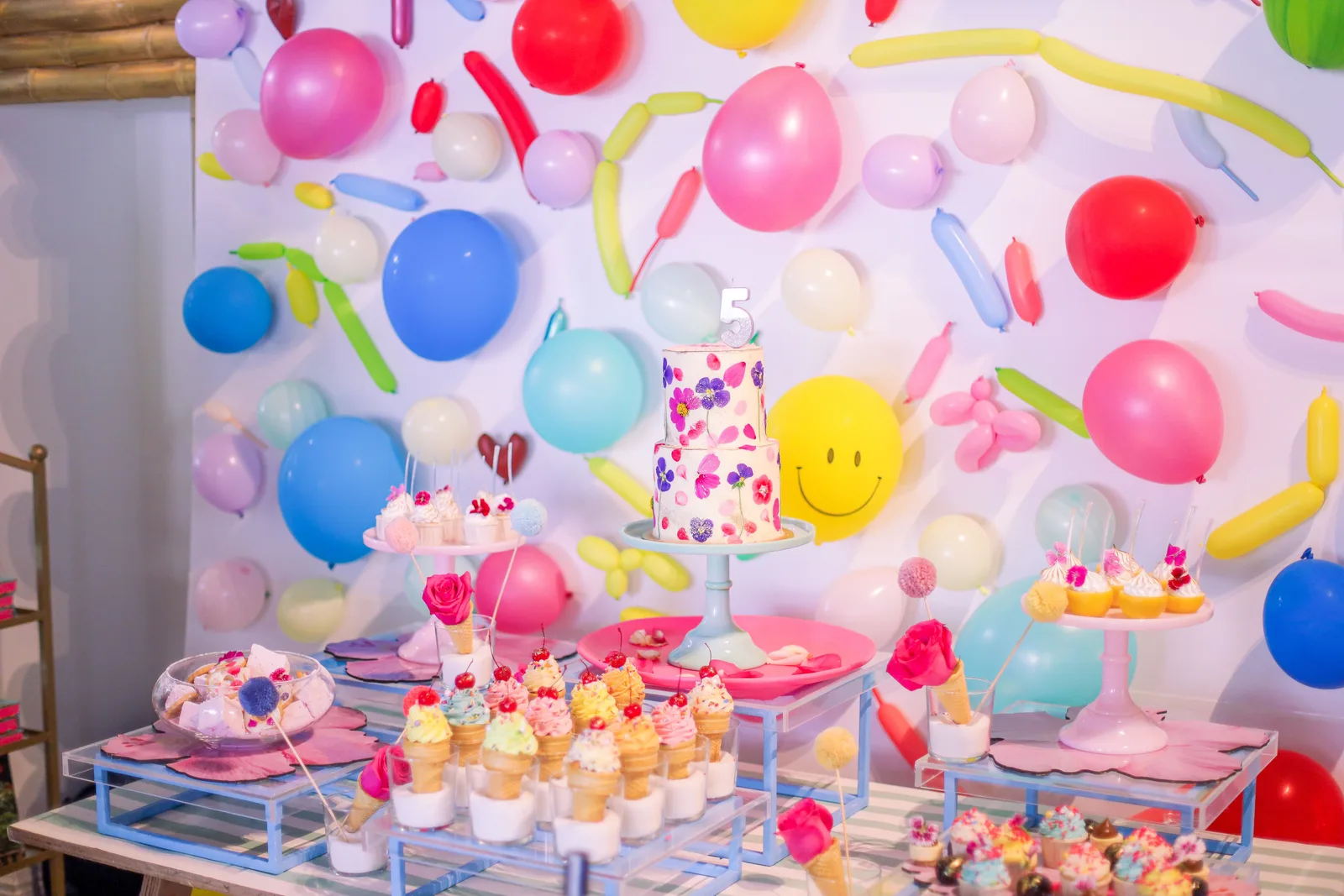
Before guests arrive:
- The room, decorated and empty. Nobody else photographs this and parents love it.
- The table, the balloons, the banner with the name and age.
- The cake, undamaged, before it is carried anywhere.
- The presents stacked.
During:
- The birthday child, alone, at least three good frames early while they are still clean and calm.
- Arrivals and greetings.
- Wide shots showing the full room and how many people came.
- Games and activity, from low down at child height.
- Adults talking, since parents are at this party too and never appear in the photographs.
- Details: the food, the party bags, small hands holding things.
The cake:
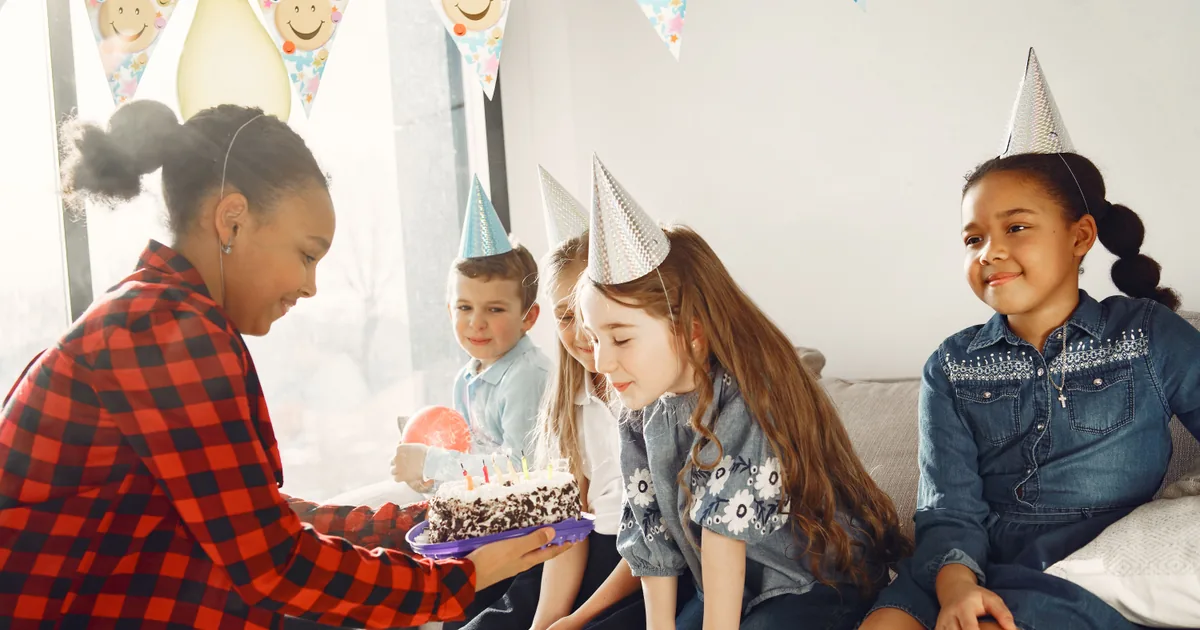
- The carry-in, with the candles lit.
- The child's face lit by candlelight, from slightly to the side.
- The blow, on continuous burst.
- The reaction immediately afterwards, which is usually the best frame of the day.
- The family together behind the cake.
After:
- Presents being opened, focusing on the face rather than the object.
- The mess.
- One last frame of the child, tired and happy.
The cake, specifically
This is the shot that justifies the booking, and it is technically the hardest moment of the day.
Position yourself opposite the child, slightly to one side, before the cake appears. Ask the host to bring it in from a direction that puts the child between you and the doorway.
The lights usually go off. Raise ISO and open up before that happens rather than scrambling in the dark, and take a test frame on candlelight alone. If you are using flash, dial it down to fill rather than dominate, since the whole point of the moment is the candlelight on the face.
Then shoot continuously through the blow. It happens once, it happens fast, and half the frames will have closed eyes.
Working with children who ignore you
Get low. Almost every bad party photograph is taken from adult standing height, looking down at the tops of heads.
Do not ask them to look at the camera or to smile. Photograph what is happening, and the frames that parents keep are the ones where nobody was performing. If you need a group shot of children, do it early, do it fast, and accept that four out of six will be looking somewhere else.
Learn the birthday child's name before you arrive and use it. It buys you about ten seconds of attention at a time, which is enough.
The practical points
Ask about photo permissions. Some parents do not want their children photographed, and the host will usually know. Ask once at the start rather than discovering it afterwards.
Eat nothing and drink water. You are working.
Bring a spare battery and a second card. Two hours of continuous shooting at a party burns through both faster than a portrait session does.
Deliver quickly, within a few days. This is a set of photographs with a short excited half life, and a gallery that arrives while the child is still talking about the party gets shared with every family who was there. Which is, in practice, how you get the next four bookings, and the referral loop is worth being deliberate about.
First birthdays are the exception to most of the above, because they are usually booked as a studio session rather than a party. Running a cake smash is a different job with a different running order, and it pays considerably better.