
A working photographer who books $60,000 of sessions in a year takes home somewhere between $30,000 and $38,000 of it. That gap is the whole answer, and it is the reason two photographers with identical revenue can have completely different lives.
Nobody asks the question that way, though. They ask what photographers earn, get told an average, and quietly assume it lands in a bank account. So here is the arithmetic in the direction it actually runs: how many jobs a year you can physically do, what the business takes out of each one, what the tax authority takes out of what is left, and what that leaves per hour worked.
The salary averages are measuring something else
Search this question and you get numbers in the seventy thousands from the salary aggregators. Those are modelled estimates, they mix in salaried staff roles at newspapers, agencies and universities, and where they cover freelancers at all they are reporting revenue, not income. A self employed photographer's revenue is the top of a page with fifteen more lines under it.
The useful version of the question is not "what do photographers earn". It is "how many of these can I do a year, and what is left of each one".
Start from jobs per year, not from a salary figure
Every genre has a physical ceiling for one person, and it is lower than people guess:
- Weddings: 20 to 25 a year is a full season for a solo photographer, and most who do more stop enjoying it. Editing time, not Saturdays, is what caps it.
- Family and portrait sessions: 60 to 90 a year alongside everything else, clustered into autumn and spring.
- Headshots: individual sessions are slow money, corporate days are not. One day of 20 people at $110 a head beats a fortnight of singles.
- Real estate: 250 to 350 listings a year is achievable because the shoots are short, and this is the genre where volume actually works.
- Commercial and brand work: 15 to 30 projects a year, the widest range of fees, and the one where a single client can rebook quarterly.
Multiply your realistic count by your average booking value and you have the top line. If that number is disappointing before any costs come out, no amount of efficiency fixes it, and the answer is raising your prices rather than adding jobs to a full diary.
Then subtract the business, which is 20 to 30 percent of gross
The costs are boring, individually small, and add up to a mortgage payment:
- Gear replacement and repair, budgeted as an annual figure rather than as a surprise. A body every three years is a real line item.
- Insurance, both public liability and equipment cover.
- Software, storage, website, gallery hosting and the accounting tool.
- Second shooters and assistants, which is the largest single cost for anyone shooting weddings.
- Travel, which is the largest for anyone shooting listings.
- Outsourced editing where you use it, and lab costs on anything you print.
- Marketing, directories, ads, and the samples you give away.
A photography business typically runs at 20 to 30 percent of gross for all of this, higher in the first two years because you are still buying things. Where the money actually goes is worth tracking from month one, because these are the numbers your tax return needs anyway.
Then subtract tax, and everything an employer used to pay for
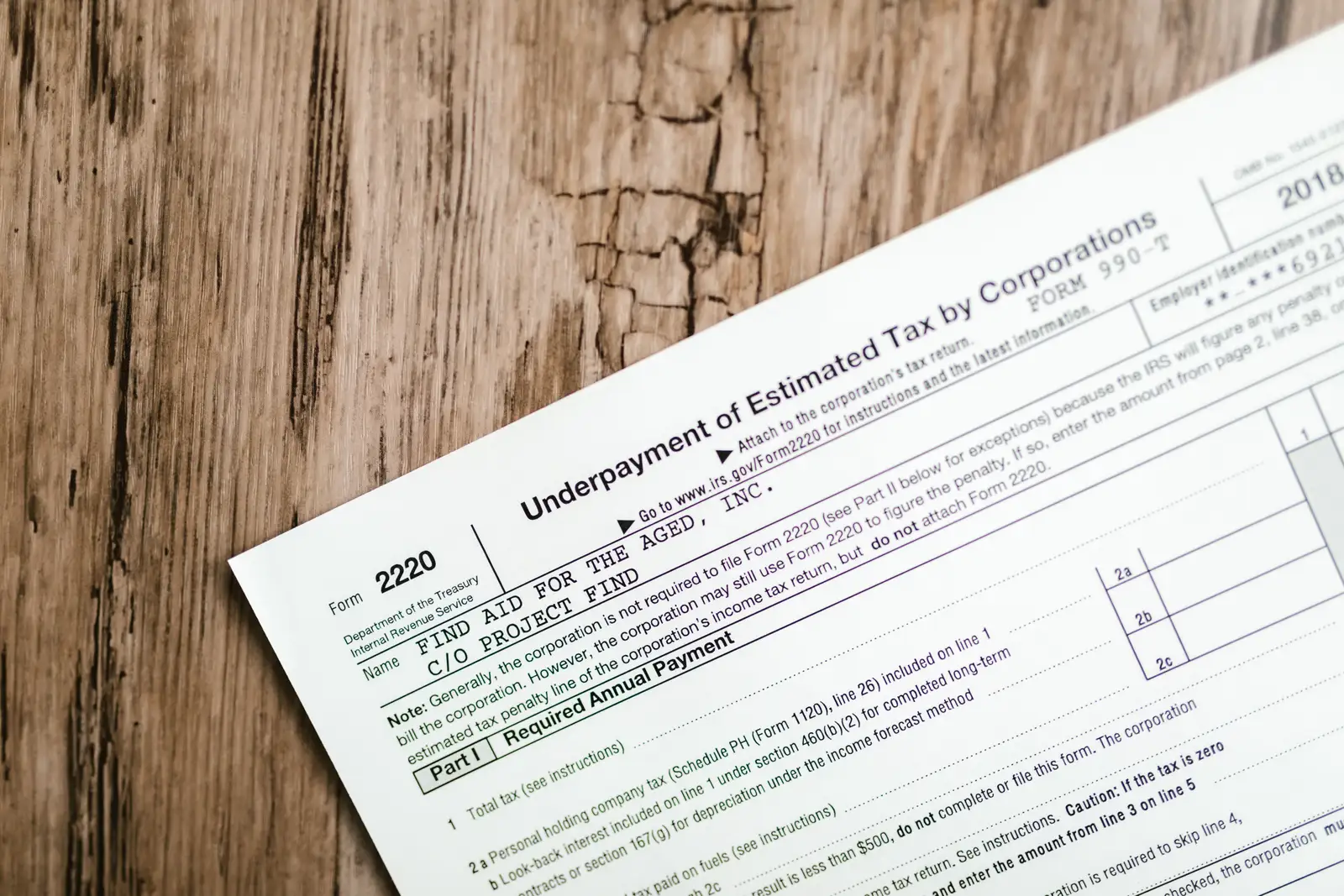
What is left after costs is profit, and profit is what gets taxed. Depending on where you are, income tax plus self employment or national insurance contributions takes roughly 25 to 30 percent of it at these levels, which is why the standing advice is to move that share into a separate account the day each payment lands.
Then there is the part that never appears on any spreadsheet. No paid holiday, so a two week break costs you the fee you did not earn as well as the cost of the holiday. No sick pay, and a fortnight of flu in October removes an entire month of autumn sessions. No employer pension contribution. No paid parental leave. If you came from a salaried job, your old salary was worth roughly a quarter more than the number on the contract, and that quarter is now yours to fund.
Three worked examples
Wedding photographer, year three. Eighteen weddings at an average of $3,200 plus six engagement sessions is $60,300 gross. Second shooters, insurance, gear fund, travel, software and marketing come to about $13,000, leaving $47,300 of profit. Tax takes roughly $12,000. Take home is around $35,000 for a year with about 900 working hours in it, most of them at weekends.
Family and portrait photographer. Seventy sessions at $425 plus $4,000 of print and album sales is $33,750 gross. Costs of about $9,000 leave $24,750, and tax takes about $5,200. Take home is around $19,500. This is the most common shape in the industry and the reason so many portrait photographers describe themselves as part time without having chosen to be.
Real estate photographer. Three hundred listings at an average of $240 with add-ons is $72,000 gross. Vehicle costs, outsourced editing at $25 a listing, gear and insurance come to about $22,000, leaving $50,000, and tax takes about $13,000. Take home is around $37,000, earned on weekday mornings.
The pattern across all three is that gross revenue tells you almost nothing. Take-home per hour worked is the only number that compares one photography business to another, or to the job you left, and the effective hourly rate calculator will produce yours in about two minutes. Most people are surprised, and not upwards.
What actually moves the number in year three
Four things, in the order they work:
- Price. A ten percent increase across the same diary drops almost entirely into profit, because your costs barely move. Nothing else on this list is close. How to price so the math works is the whole game.
- Hours per booking. Culling faster, and delivering 60 images instead of 90, removes hours from every job without touching the fee.
- The worst third of your work. There is usually one genre, or one type of client, that eats disproportionate time at a below average fee. Stopping it raises your rate without raising a single price.
- Repeat commercial clients. One business shooting quarterly is worth more than four one-off portrait sessions and costs nothing to win twice.
The photographers who make a genuine living at this are rarely the ones with the best pictures. They are the ones who can tell you their take-home per hour to the nearest five dollars and who set prices from that number rather than from what the person down the road charges. Work yours out this week, then decide whether the diary you are planning for next year is a business or an expensive way to spend your weekends.