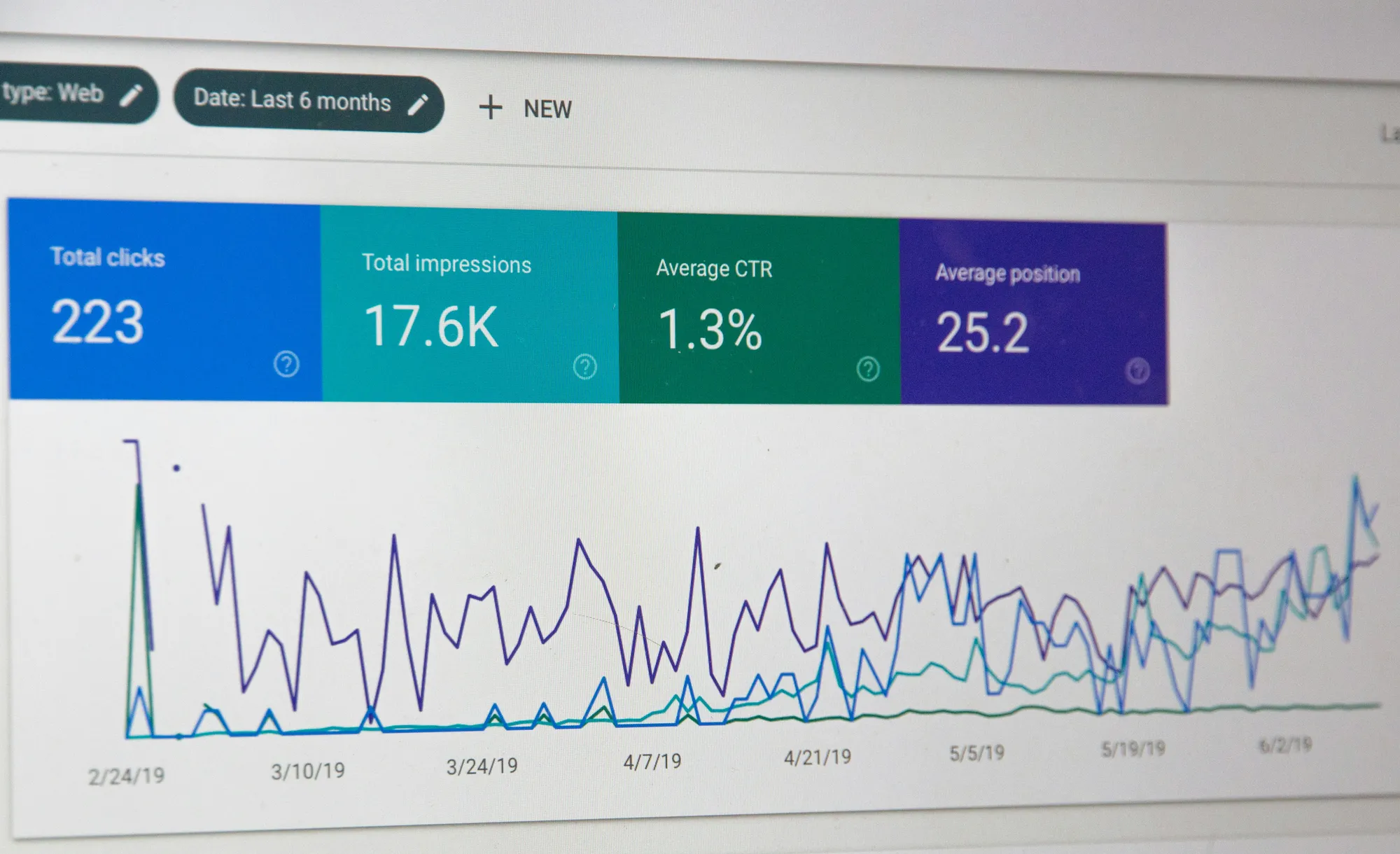
Referrals will only carry a photography business so far. Sooner or later you want strangers in your area typing "wedding photographer" and your city into Google and finding you, not the same three studios that always show up. That is what search engine optimization is, and the good news is that most photographers do it so badly that a little effort puts you ahead.
You do not need to become a marketer. You need to get a small number of fundamentals right and then be patient. Here is where to spend your time.
Rank for where you actually work
The single biggest lever for a local business is being specific about location. "Portrait photographer" is a fight you cannot win. "Portrait photographer in Ghent" is a fight you can, because the field is small and the intent is high. Someone searching that phrase is close to booking.
Put your real service area into the words on your site: your homepage, your about page, your titles. Not stuffed and repeated, just present and natural. If you serve several towns, give each one its own honest paragraph rather than a keyword list.
Give every page a title and description that earns the click
The blue link and grey summary you see in Google results are the page title and meta description. They are the first impression, and most photographers leave them blank or let the software fill them with junk.
- Write a title for each page that names what it is and where: "Newborn Photographer in Leeds" beats "Home" every time.
- Write a description of a sentence or two that gives someone a reason to click, not just what the page contains.
- Keep them distinct. Every page fighting over the same title confuses search engines about which one to show.
Search engines read your page the way a busy stranger does: quickly, and looking for a reason to move on. Make the important things obvious and near the top.
A portfolio built on Xposure fills in clean, per-page titles and descriptions for you, so you are not hand-editing markup. Your job is to make the words say something.
Let Google actually see your images
Photographers have a specific weakness here: our sites are all images, and search
engines cannot see a photo the way a person can. They read the alt text and the
filename. A file called DSC_4821.jpg tells Google nothing. A file described as
a coastal wedding at sunset tells it a great deal.

Add short, honest alt text to your key images describing what is in the frame. Do not keyword-stuff it, just describe it. This helps your ranking, gets you into image search, and makes your site usable for people who cannot see the photos at all.
Speed is a ranking factor, and photos are heavy
A slow site sinks in the rankings and loses visitors before the first image even loads. Photography sites are especially at risk because full-resolution files are enormous. Serve web-sized, compressed, modern-format images, and lean on a host that delivers them from a fast global network rather than a single slow server. This is the kind of thing a purpose-built platform handles for you, and it matters more than most photographers realize.
Publish something useful now and then
Every helpful page you write is another door into your site and another phrase you might rank for. A short, genuine post answering a question your clients actually ask, like what to wear to a family session or how long editing takes, can quietly pull in visitors for years. You do not need to write constantly. You need to write a few things worth finding.
Be patient, then consistent
SEO is not a switch you flip. You do the sensible things, name your locations, write your titles, describe your images, keep the site fast, and then it takes weeks or months for search engines to notice and trust you. Most of the photographers who rank well are simply the ones who got the fundamentals right and kept at it past the first slow month.
Start with your homepage title and your service area this week. That one afternoon of work will still be earning you clients a year from now.
The second page to fix is the one people read before they enquire. An about page written for the client's decision rather than your biography ranks for your name and your area, and it is where a browser either becomes an enquiry or closes the tab.